
Premium Interior Designers in Guwahati, Assam

Top Interior Design Trends for Modern Homes in India (2026 Edition)

Introduction

Interior design in India is evolving rapidly. As lifestyles change and homeowners become more design-aware, the expectations from a modern home have gone far beyond aesthetics. Today, people are looking for spaces that are not only visually appealing but also functional, sustainable, and deeply personal.

The year 2026 is set to bring a shift towards thoughtful living—where design is driven by purpose, comfort, and individuality. From smart homes to sustainable materials, from minimalism to bold expressions, the trends shaping modern Indian homes reflect a balance between global influence and local sensibilities.

In this blog, we explore the top interior design trends for modern homes in India in 2026, helping you stay ahead while making choices that are both stylish and future-ready.

1. The Rise of Warm Minimalism

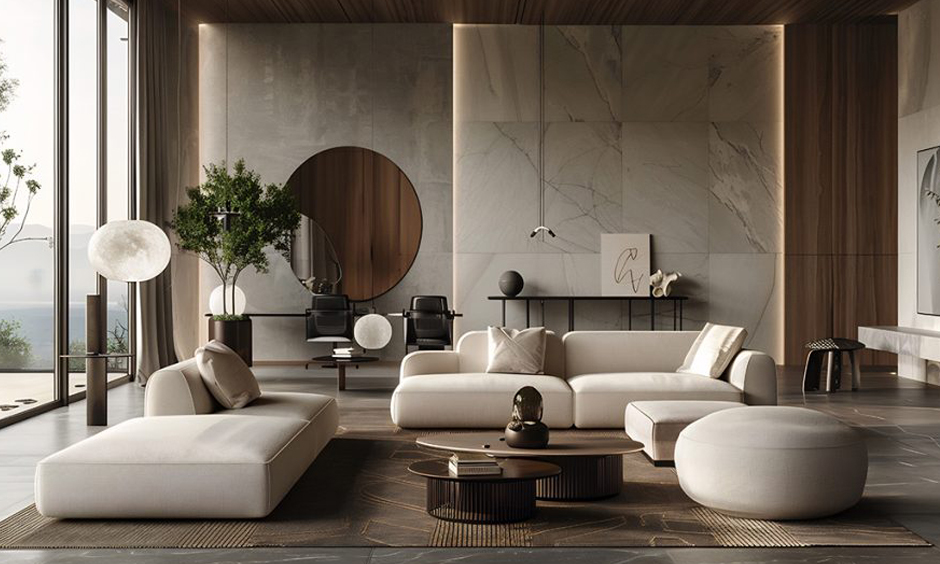
Minimalism is no longer about cold, empty spaces. In 2026, it evolves into warm minimalism—a perfect blend of simplicity and comfort.

Key Elements:

  • Neutral color palettes with warm undertones
  • Soft textures like linen, cotton, and wood
  • Clean lines with subtle detailing

This trend focuses on creating calm, clutter-free environments while still feeling inviting and lived-in.

👉 Ideal for urban homes where space and peace are both priorities.

2. Sustainable & Eco-Friendly Interiors

Sustainability is no longer optional—it’s a necessity.

Modern homeowners are becoming more conscious about:

  • Materials used
  • Energy consumption
  • Environmental impact

Popular Choices:

  • Reclaimed wood
  • Bamboo and cane furniture
  • Natural fabrics
  • Low-VOC paints

Sustainable design not only benefits the environment but also creates healthier living spaces.

3. Smart Homes & Integrated Technology

Technology is seamlessly becoming a part of interior design.

Smart Features Trending in 2026:

  • Automated lighting systems
  • Voice-controlled devices
  • Smart security systems
  • App-controlled appliances

The goal is to create homes that are:

  • Convenient
  • Efficient
  • Future-ready

👉 Technology is no longer an add-on—it’s integrated into design.

4. Multi-Functional Spaces

With remote work and hybrid lifestyles becoming the norm, homes need to do more.

Examples:

  • Living room + workspace
  • Bedroom + study area
  • Dining area + collaboration zone

Key Design Approach:

  • Flexible furniture
  • Smart partitions
  • Space-saving solutions

👉 Every square foot is designed to serve multiple purposes.

5. Earthy Tones & Natural Color Palettes

Colors in 2026 are inspired by nature.

Trending Shades:

  • Beige, taupe, terracotta
  • Olive green, muted browns
  • Soft whites and sand tones

These colors create:

  • Warmth
  • Calmness
  • Timeless appeal

👉 Perfect for creating a grounded, relaxing home environment.

6. Statement Lighting as a Design Element

Lighting is no longer just functional—it’s a design feature.

Trends:

  • Sculptural pendant lights
  • Layered lighting concepts
  • Warm ambient lighting

Lighting helps define:

  • Mood
  • Depth
  • Character of a space

👉 A well-lit home feels more premium instantly.

7. Custom Furniture & Bespoke Design

Mass-produced furniture is slowly being replaced by custom-made solutions.

Why Custom Furniture is Trending:

  • Perfect fit for your space
  • Unique design identity
  • Better functionality

From wardrobes to modular kitchens, customization ensures your home is truly one-of-a-kind.

8. Textures Over Patterns

Instead of bold prints, 2026 focuses on subtle textures.

Popular Textures:

  • Fluted panels
  • Matte finishes
  • Natural stone surfaces
  • Fabric layering

Textures add depth without overwhelming the space.

👉 It’s about quiet luxury, not loud design.

9. Open Layouts with Defined Zones

Open layouts continue to be popular, but with a twist—defined zoning.

How It’s Done:

  • Rugs to define areas
  • Lighting variations
  • Furniture placement
  • Partial partitions

This creates:

  • Openness
  • Yet functional separation

10. Indoor Plants & Biophilic Design

Nature is becoming an essential part of interiors.

Benefits:

  • Improves air quality
  • Enhances mood
  • Adds freshness

Design Ideas:

  • Indoor plants
  • Vertical gardens
  • Natural light maximization

👉 Homes are becoming more connected to nature.

11. Focus on Comfort & Livability

Luxury is no longer about expensive décor—it’s about comfort.

Priorities:

  • Ergonomic furniture
  • Soft furnishings
  • Relaxed layouts

A modern home should feel:

  • Comfortable
  • Practical
  • Easy to live in

12. Neutral Base with Bold Accents

Instead of fully bold interiors, the trend is:

  • Neutral base
  • Highlight accents

Examples:

  • Statement wall
  • Bold furniture piece
  • Accent lighting

👉 This keeps the space balanced yet visually interesting.

13. Seamless Storage Solutions

Clutter-free living is a major focus.

Trends:

  • Hidden storage
  • Built-in units
  • Minimal visible clutter

👉 Good design is often invisible.

14. Local Craft Meets Modern Design

There’s a growing appreciation for Indian craftsmanship.

Integration:

  • Handcrafted décor
  • Traditional materials
  • Local art

Blending tradition with modern design creates:

  • Unique identity
  • Cultural richness

15. Personalization Over Trends

The biggest trend of 2026 is being yourself.

Homeowners are moving away from:

  • Copying Pinterest designs

Towards:

  • Creating personalized spaces

👉 Your home should reflect you, not trends.

16. Spa-Like Bathrooms

Bathrooms are becoming more like personal retreats.

Features:

  • Warm lighting
  • Minimal design
  • Premium fittings

👉 A space to relax, not just function.

17. Minimal Décor, Maximum Impact

Less clutter, more impact.

Instead of many small items:

  • Few statement pieces
  • Clean surfaces

👉 Quality over quantity.

18. Focus on Quality Materials

People are investing more in:

  • Durable materials
  • Long-lasting finishes

👉 It’s better to invest once than replace frequently.

19. Balanced Use of Glass & Metal

Glass and metal add:

  • Modern touch
  • Visual lightness

Used in:

  • Partitions
  • Furniture
  • Accents

20. Future-Ready Design Thinking

Modern homes are designed keeping the future in mind:

  • Adaptability
  • Flexibility
  • Scalability

👉 Design that evolves with your life.

🔥 Final Thoughts

Interior design in 2026 is not about following trends blindly—it’s about making thoughtful choices that enhance your lifestyle.

The key is balance:

  • Aesthetics + Functionality
  • Modern + Personal
  • Style + Comfort

A well-designed home is not just beautiful—it works for you, adapts to you, and grows with you.

🎯 Conclusion

The future of residential interior design in India is exciting, dynamic, and deeply personal. As trends evolve, the focus remains clear—creating spaces that are meaningful, comfortable, and built to last.

At the end of the day, trends may guide you, but your home should always reflect your story.
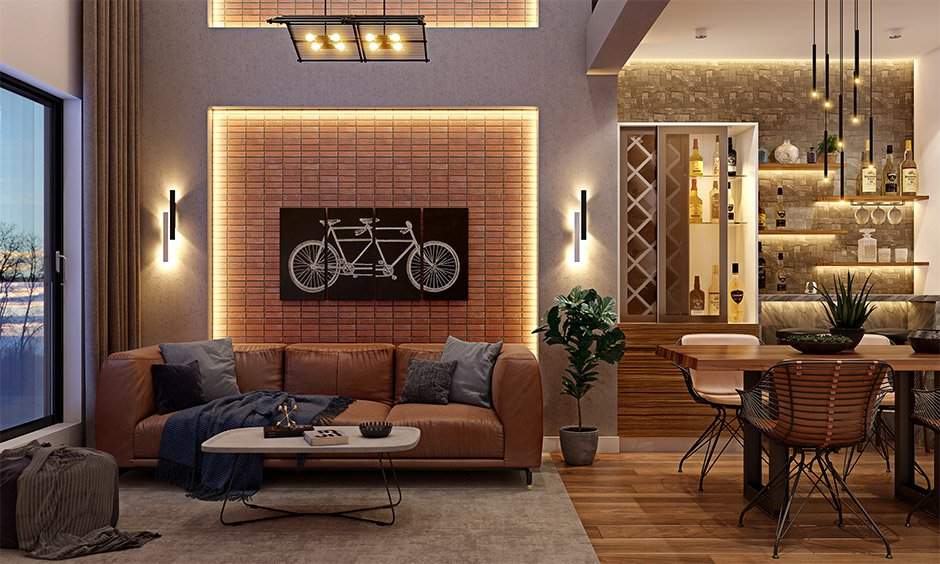
The Complete Guide to Residential Interior Design: Creating a Home That Truly Reflects You

Introduction

A home is more than just walls, furniture, and décor—it’s a reflection of who you are, how you live, and what you value. Residential interior design is not simply about making a space look beautiful; it’s about creating an environment that feels right, functions seamlessly, and enhances your everyday life.

In today’s fast-evolving world, where lifestyles are dynamic and personal expression matters more than ever, interior design plays a crucial role in shaping how we experience our homes. Whether you live in a compact apartment or a spacious villa, the right design can transform your space into something truly meaningful.

This guide explores everything you need to know about residential interior design—from understanding its importance to practical insights that help you make better design decisions.

1. What is Residential Interior Design?

Residential interior design focuses on designing living spaces such as homes, apartments, and villas. It involves planning layouts, selecting materials, choosing furniture, and creating an overall aesthetic that aligns with the homeowner’s lifestyle.

But beyond that, it is about:

  • Comfort
  • Functionality
  • Personalization
  • Long-term usability

A well-designed home should not just impress visitors—it should improve the way you live every single day.

2. Why Interior Design Matters More Than You Think

Many people assume interior design is a luxury. In reality, it’s a necessity—especially when done right.

🔹 Improves Functionality

A good design ensures that every corner of your home serves a purpose. Smart layouts reduce clutter and improve movement.

🔹 Enhances Comfort

From lighting to furniture placement, design directly affects how comfortable your home feels.

🔹 Reflects Personality

Your home should feel like you. Design helps translate your personality into a physical space.

🔹 Increases Property Value

Well-designed homes have higher market appeal and resale value.

3. Understanding Your Lifestyle First

Before choosing colors or furniture, the most important step is understanding how you live.

Ask yourself:

  • Do you work from home?
  • Do you entertain guests often?
  • Do you need more storage?
  • Do you prefer minimal or detailed spaces?

A family with children will have very different needs compared to a bachelor or a working couple.

👉 Good design starts with lifestyle, not trends.

4. Space Planning: The Foundation of Good Design

Space planning is one of the most important aspects of interior design. It determines how efficiently your space is used.

Key Principles:

  • Avoid overcrowding
  • Ensure smooth movement
  • Define functional zones
  • Maximize natural light

For example:

  • A living room should feel open and inviting
  • A kitchen should be efficient and easy to use
  • A bedroom should feel calm and relaxing

Poor space planning can ruin even the most expensive interiors.

5. Choosing the Right Design Style

Your design style sets the tone for your entire home. Some popular styles include:

🔹 Modern

Clean lines, minimal décor, neutral tones

🔹 Contemporary

Dynamic, trend-driven, sleek finishes

🔹 Traditional

Rich textures, detailed craftsmanship

🔹 Minimalist

Simple, clutter-free, functional

🔹 Luxury

High-end materials, refined detailing

👉 The key is not to copy a style—but to adapt it to your personality.

6. The Role of Colors in Interior Design

Colors have a powerful impact on mood and perception.

Light Colors

  • Make spaces look bigger
  • Create a calm environment

Dark Colors

  • Add depth and richness
  • Create a bold statement

Neutral Palette

  • Timeless and versatile
  • Easy to style and maintain

👉 A balanced color palette creates harmony across your home.

7. Furniture: More Than Just Utility

Furniture is not just about filling space—it defines how the space is used.

Key Considerations:

  • Comfort
  • Proportion
  • Material
  • Functionality

Custom furniture is often a better choice because it:

  • Fits perfectly
  • Matches your design
  • Maximizes space

8. Lighting: The Most Underrated Element

Lighting can completely change how a space looks and feels.

Types of Lighting:

  • Ambient (overall lighting)
  • Task (focused lighting)
  • Accent (highlighting elements)

A well-lit home feels:

  • More spacious
  • More welcoming
  • More refined

9. Storage: The Hidden Hero of Design

A clutter-free home is a well-designed home.

Smart Storage Solutions:

  • Built-in wardrobes
  • Hidden cabinets
  • Multi-functional furniture

👉 Good storage is invisible but essential.

10. Materials & Finishes: Where Quality Matters

The materials you choose determine:

  • Durability
  • Maintenance
  • Overall look

Common materials include:

  • Wood
  • Stone
  • Glass
  • Metal

👉 Investing in quality materials ensures your home looks good for years.

11. Personalization: Making the Space Yours

A home should feel personal, not generic.

Ways to personalize:

  • Artwork
  • Family elements
  • Custom décor
  • Unique textures

👉 The best spaces are the ones that tell your story.

12. Common Mistakes to Avoid

  • Overcrowding spaces
  • Ignoring lighting
  • Following trends blindly
  • Poor space planning
  • Compromising on quality

Avoiding these mistakes can save both money and regret.

13. The Importance of Professional Interior Designers

Working with a professional ensures:

  • Better planning
  • Efficient execution
  • Cost control
  • High-quality results

They bring:

  • Experience
  • Creativity
  • Technical knowledge

👉 A good designer doesn’t just design—they solve problems.

14. Trends vs Timeless Design

Trends change. Good design doesn’t.

Trend Example:

  • Bold colors
  • Statement décor

Timeless Design:

  • Neutral tones
  • Clean layouts
  • Functional spaces

👉 Balance both for a future-proof home.

15. Final Thoughts

Residential interior design is not about making your home look expensive—it’s about making it feel right.

A well-designed home:

  • Supports your lifestyle
  • Reflects your personality
  • Improves your daily experience

At the end of the day, your home should be a place where you feel comfortable, inspired, and truly at ease.

Conclusion

Design is not just what you see—it’s what you experience.

When done right, residential interior design transforms a house into a home that feels complete in every sense.

Back to Top

Search For Products

Product has been added to your cart
Compare (0)