
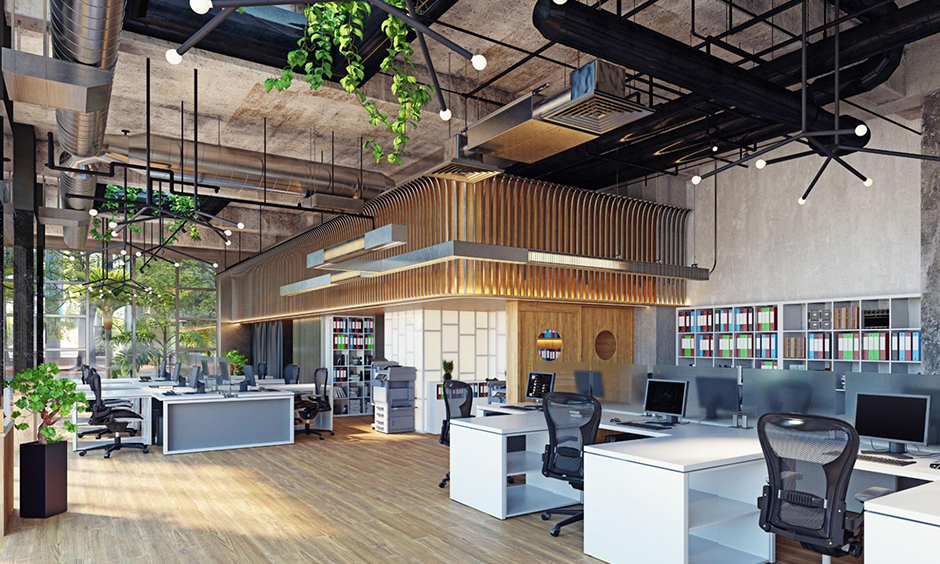
Premium Interior Designers in Guwahati, Assam

The Complete Process of Commercial Interior Design: From Concept to Completion

Introduction

Designing a commercial space is far more complex than arranging furniture or choosing colors. It is a structured process that involves planning, strategy, creativity, and precise execution. Every successful commercial space—whether it’s an office, retail outlet, or hospitality venue—is the result of a well-thought-out journey from concept to completion.

For business owners, understanding this process is crucial. It not only helps in making informed decisions but also ensures smoother execution, better cost management, and a final outcome that aligns perfectly with business goals.

In this blog, we break down the complete process of commercial interior design, giving you a clear understanding of how ideas evolve into fully functional, impactful spaces.

1. Understanding Client Requirements

Every project begins with one fundamental step—understanding the client.

Key Discussions:

  • Nature of the business
  • Target audience
  • Functional needs
  • Budget expectations
  • Timeline

This phase sets the foundation for the entire project.

👉 A clear understanding at the beginning prevents confusion later.

2. Site Analysis & Space Evaluation

Before design begins, the physical space must be carefully studied.

What is Evaluated:

  • Layout and dimensions
  • Natural light
  • Structural limitations
  • Existing utilities

This helps in identifying opportunities and constraints.

👉 Good design works with the space, not against it.

3. Concept Development

Once requirements are clear, the design concept is created.

Includes:

  • Design theme
  • Mood boards
  • Color palettes
  • Material direction

This stage defines the overall look and feel of the space.

👉 It’s where creativity meets strategy.

4. Space Planning & Layout Design

After finalizing the concept, the next step is planning how the space will function.

Focus Areas:

  • Zoning different areas
  • Movement flow
  • Efficient use of space

For example:

  • Office → workstations, meeting rooms, breakout zones
  • Retail → display zones, billing counters, circulation paths

👉 Layout directly impacts usability and experience.

5. 3D Visualization & Design Presentation

Clients often find it hard to visualize designs through drawings alone.

This is where 3D designs help:

  • Realistic previews
  • Better understanding of space
  • Easier decision-making

👉 It bridges the gap between imagination and reality.

6. Material Selection & Detailing

Materials define the durability and aesthetics of the space.

Selection Includes:

  • Flooring
  • Wall finishes
  • Furniture materials
  • Lighting fixtures

👉 The right materials ensure longevity and quality.

7. Budget Planning & Cost Estimation

A well-planned budget is essential for smooth execution.

Includes:

  • Material costs
  • Labor costs
  • Furniture and fixtures
  • Contingency planning

👉 Transparency in budgeting avoids surprises.

8. Execution Planning & Scheduling

Once design and budget are finalized, execution begins with proper planning.

Key Steps:

  • Timeline creation
  • Resource allocation
  • Work sequencing

👉 A structured plan ensures timely delivery.

9. Site Execution & Coordination

This is where the design comes to life.

Activities:

  • Civil work
  • Carpentry
  • Electrical and plumbing
  • Installation of materials

Proper coordination between teams is critical.

👉 Execution quality defines the final outcome.

10. Quality Control at Every Stage

Maintaining quality is essential throughout the project.

Checks Include:

  • Material quality
  • Workmanship
  • Finishing details

👉 Small details make a big difference.

11. Regular Client Updates

Keeping clients informed builds trust and transparency.

Includes:

  • Progress updates
  • Site visits
  • Approval stages

👉 Communication ensures alignment.

12. Furniture & Fixture Installation

Once core work is completed, furniture and fixtures are installed.

Includes:

  • Workstations
  • Display units
  • Lighting fixtures
  • Décor elements

👉 This stage defines the final look.

13. Final Styling & Finishing Touches

The last stage adds character to the space.

Includes:

  • Accessories
  • Branding elements
  • Decorative details

👉 This is where the space feels complete.

14. Final Inspection & Handover

Before handover, everything is checked thoroughly.

Focus:

  • Quality
  • Functionality
  • Safety

👉 Ensures the client receives a flawless space.

15. Post-Completion Support

A good design firm doesn’t stop at handover.

Support Includes:

  • Maintenance guidance
  • Minor adjustments
  • Future upgrades

👉 Long-term relationships matter.

16. Importance of a Structured Process

A clear process ensures:

  • Better efficiency
  • Reduced errors
  • Timely delivery
  • Cost control

👉 Structure brings consistency.

17. Common Challenges in Commercial Projects

  • Budget constraints
  • Time pressure
  • Coordination issues
  • Design changes

👉 A professional approach helps manage these effectively.

18. Role of Professional Interior Designers

Designers bring:

  • Expertise
  • Creativity
  • Execution skills

👉 They ensure everything runs smoothly.

19. Why Execution Matters More Than Ideas

Ideas are important—but execution is what creates results.

👉 A great concept without proper execution fails.

20. Final Thoughts

Commercial interior design is a journey that requires planning, precision, and creativity. When done right, it transforms a simple space into a powerful business tool.

🔥 Conclusion

From concept to completion, every step in commercial interior design plays a crucial role in shaping the final outcome.

A well-executed space:

  • Enhances business performance
  • Improves user experience
  • Reflects brand identity

At Bourbon Interiors, the focus is on delivering spaces that are thoughtfully designed, precisely executed, and built to last.
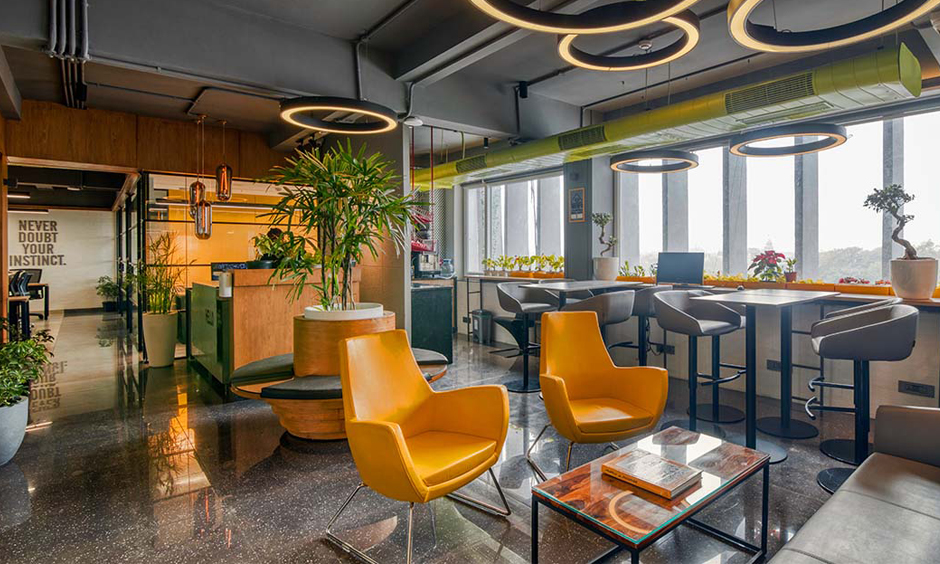
Commercial Interior Design: Creating Spaces That Drive Business, Experience, and Growth

Introduction

In today’s competitive business environment, the way a space looks and functions plays a crucial role in shaping customer perception, employee productivity, and overall brand identity. Commercial interior design is no longer just about aesthetics—it is about creating environments that support business goals, enhance user experience, and leave a lasting impression.

Whether it’s an office, retail store, showroom, restaurant, or hospitality space, design has the power to influence behavior, improve efficiency, and elevate the overall experience. A well-designed commercial space is not just seen—it is felt.

This blog explores the importance of commercial interior design, key elements involved, and how thoughtful design can transform a business environment into a powerful asset.

1. What is Commercial Interior Design?

Commercial interior design focuses on designing spaces used for business purposes. Unlike residential design, it prioritizes:

  • Functionality
  • Brand identity
  • User experience
  • Efficiency

These spaces include:

  • Offices
  • Retail stores
  • Showrooms
  • Restaurants and cafes
  • Hotels and hospitality spaces

👉 The goal is to create a space that not only looks professional but also supports the business operations effectively.

2. Why Commercial Interior Design Matters

Many businesses underestimate the impact of design. However, a well-designed space can directly influence success.

🔹 First Impressions Matter

Your space is often the first interaction customers have with your brand. A well-designed environment builds trust instantly.

🔹 Enhances Customer Experience

The layout, lighting, and ambiance affect how customers feel and interact within the space.

🔹 Improves Employee Productivity

A well-planned workspace can boost efficiency, comfort, and motivation.

🔹 Reflects Brand Identity

Design communicates your brand values without words.

👉 Good design is not an expense—it’s an investment.

3. Understanding the Purpose of the Space

Every commercial space has a different purpose, and design must align with it.

Examples:

  • A retail store should attract and engage customers
  • An office should promote productivity
  • A restaurant should create an inviting atmosphere

👉 Design decisions should always be driven by the function of the space.

4. Space Planning & Layout Optimization

Space planning is the backbone of commercial design.

Key Focus Areas:

  • Efficient movement flow
  • Optimal use of available space
  • Clear zoning for different functions

For example:

  • Offices need collaboration zones and private areas
  • Retail stores need smooth customer flow
  • Restaurants need balanced seating arrangements

👉 Poor layout can negatively impact both experience and efficiency.

5. Branding Through Design

Your space should visually communicate your brand.

How Design Reflects Branding:

  • Color schemes aligned with brand identity
  • Material selection reflecting brand personality
  • Consistent design language

👉 A strong brand presence creates recognition and trust.

6. Lighting: Creating the Right Ambience

Lighting is one of the most powerful tools in commercial design.

Types:

  • Ambient lighting for general visibility
  • Task lighting for specific functions
  • Accent lighting for highlighting elements

Impact:

  • Influences mood
  • Enhances product visibility
  • Improves productivity

👉 Good lighting can transform an average space into an exceptional one.

7. Furniture & Ergonomics

Furniture should not only look good but also function well.

Key Considerations:

  • Comfort
  • Durability
  • Space efficiency

For offices:

  • Ergonomic chairs
  • Functional desks

For retail:

  • Display-friendly fixtures

👉 Functional furniture improves both user experience and efficiency.

8. Material Selection & Durability

Commercial spaces experience heavy usage, so materials must be:

  • Durable
  • Easy to maintain
  • Cost-effective

Common Materials:

  • Laminates
  • Metal finishes
  • Glass
  • Engineered wood

👉 Quality materials ensure long-term value.

9. Technology Integration

Modern commercial spaces integrate technology seamlessly.

Examples:

  • Smart lighting
  • Digital displays
  • Automated systems

👉 Technology enhances both functionality and user experience.

10. Creating Customer-Centric Spaces

Customer experience is at the heart of commercial design.

Focus Areas:

  • Easy navigation
  • Comfortable environment
  • Engaging layout

👉 A positive experience increases customer retention.

11. Flexibility & Future Readiness

Business needs evolve, and spaces should adapt.

Design Approach:

  • Modular layouts
  • Flexible furniture
  • Scalable designs

👉 Future-ready spaces save time and cost.

12. Acoustics & Comfort

Often overlooked, acoustics play a vital role.

Importance:

  • Reduces noise distractions
  • Improves concentration
  • Enhances comfort

Especially important in:

  • Offices
  • Restaurants
  • Meeting rooms

13. Safety & Compliance

Commercial spaces must meet safety standards.

Includes:

  • Fire safety
  • Proper ventilation
  • Accessibility

👉 Safety is non-negotiable.

14. Sustainability in Commercial Design

Businesses are moving towards eco-friendly design.

Practices:

  • Energy-efficient lighting
  • Sustainable materials
  • Waste reduction

👉 Sustainable design reflects responsibility and modern values.

15. Cost vs Value in Design

Cutting costs in design often leads to:

  • Poor quality
  • Frequent repairs

👉 Investing in good design ensures long-term benefits.

16. Common Mistakes to Avoid

  • Ignoring functionality
  • Overdesigning
  • Poor lighting
  • Lack of planning
  • Compromising quality

17. The Role of Professional Designers

Professional designers bring:

  • Expertise
  • Planning skills
  • Execution capability

👉 They ensure your vision is executed properly.

18. The Importance of Execution

Design is only as good as its execution.

Focus:

  • Quality control
  • Timely delivery
  • Attention to detail

👉 Execution defines the final outcome.

19. Measuring Success of Design

A successful commercial space:

  • Attracts customers
  • Improves efficiency
  • Enhances brand image

20. Final Thoughts

Commercial interior design is not just about creating a visually appealing space—it is about building an environment that supports business growth and delivers a meaningful experience.

🔥 Conclusion

In today’s world, where competition is high and attention spans are short, your space can become your strongest advantage.

A well-designed commercial environment:

  • Communicates your brand
  • Enhances user experience
  • Drives business success

At Bourbon Interiors, the focus is on creating spaces that are not only functional and refined but also aligned with your business goals.

Back to Top

Search For Products

Product has been added to your cart
Compare (0)