Premium Interior Designers in Guwahati, Assam

Modern Office Design Trends: How to Build a Workspace That Attracts Talent and Drives Performance

Introduction

The workplace is no longer just a functional environment—it has become a strategic tool for businesses. In today’s competitive landscape, companies are not only competing for clients but also for talent. One of the most underrated yet powerful ways to attract and retain top talent is through office interior design.

Modern employees seek more than just a desk and a chair. They look for environments that inspire creativity, support well-being, and align with their work style. As a result, office design trends are shifting towards flexibility, comfort, and experience-driven spaces.

This blog explores the latest office interior design trends that are shaping modern workplaces and how businesses can use them to create impactful, future-ready environments.

1. The Shift from Traditional to Experience-Driven Offices

Traditional offices were rigid and uniform. Modern offices are dynamic and people-centric.

Then:

  • Fixed cubicles
  • Limited collaboration
  • Formal layouts

Now:

  • Open layouts
  • Flexible spaces
  • Informal collaboration zones

👉 The focus has shifted from control to experience.

2. Hybrid Workspaces: Designing for Flexibility

With hybrid work becoming the norm, offices must adapt.

Key Features:

  • Hot-desking
  • Flexible seating
  • Multi-purpose rooms

Employees no longer need permanent desks. Instead, spaces are designed to support different activities.

👉 Flexibility is the future of office design.

3. Collaborative Zones Over Cubicles

Collaboration is a key driver of innovation.

Modern Design Includes:

  • Open meeting areas
  • Informal seating zones
  • Brainstorming spaces

These areas encourage:

  • Interaction
  • Creativity
  • Team bonding

👉 Offices are becoming more social and interactive.

4. Focus Areas for Deep Work

While collaboration is important, employees also need quiet spaces.

Solutions:

  • Phone booths
  • Private cabins
  • Acoustic pods

👉 Balance is key—spaces for both collaboration and focus.

5. Biophilic Design: Bringing Nature Indoors

Nature has a powerful impact on productivity and well-being.

Popular Elements:

  • Indoor plants
  • Natural lighting
  • Wooden textures

Benefits:

  • Reduces stress
  • Improves mood
  • Enhances creativity

👉 A greener office is a healthier office.

6. Employee Well-Being as a Priority

Modern office design puts people first.

Focus Areas:

  • Comfortable seating
  • Proper lighting
  • Breakout zones

Some offices even include:

  • Wellness rooms
  • Relaxation areas

👉 Happy employees perform better.

7. Minimalism with Warmth

Minimalism is evolving.

Old Minimalism:

  • Cold, empty spaces

New Minimalism:

  • Clean layouts
  • Warm tones
  • Comfortable textures

👉 Simplicity with comfort is the new standard.

8. Smart Offices & Technology Integration

Technology is transforming workspaces.

Trends:

  • Smart lighting systems
  • Automated meeting rooms
  • Digital collaboration tools

👉 Technology improves efficiency and convenience.

9. Branding Through Office Interiors

Your office is an extension of your brand.

How to Reflect Branding:

  • Brand colors
  • Logo integration
  • Design elements aligned with brand identity

👉 A strong visual identity builds trust.

10. Multi-Functional Furniture

Furniture is becoming more flexible.

Examples:

  • Foldable desks
  • Modular seating
  • Convertible meeting tables

👉 Adaptability is key.

11. Statement Reception Areas

First impressions matter.

Modern Reception Design:

  • Clean and welcoming
  • Strong branding
  • Comfortable seating

👉 Sets the tone for the entire office.

12. Acoustic Solutions for Better Productivity

Noise is one of the biggest distractions.

Solutions:

  • Acoustic panels
  • Sound-absorbing materials
  • Partition systems

👉 A quieter office improves focus.

13. Breakout Spaces & Informal Areas

Employees need space to relax and recharge.

Includes:

  • Lounge areas
  • Cafeterias
  • Casual seating zones

👉 These spaces encourage creativity and reduce burnout.

14. Sustainable Office Design

Eco-conscious design is gaining importance.

Practices:

  • Energy-efficient lighting
  • Recycled materials
  • Sustainable furniture

👉 Reflects modern values and responsibility.

15. Personalized Workspaces

Employees value personalization.

Trends:

  • Flexible desks
  • Customizable workstations

👉 Personal touch improves engagement.

16. Lighting as a Design Feature

Lighting defines mood and functionality.

Trends:

  • Layered lighting
  • Warm ambient lights
  • Statement fixtures

👉 Good lighting enhances the entire space.

17. Open Layouts with Defined Zones

Open offices remain popular but with better structure.

How:

  • Zoning through furniture
  • Lighting variations
  • Partial partitions

👉 Combines openness with functionality.

18. Focus on Quality Materials

Durability is essential in office spaces.

Popular Choices:

  • Engineered wood
  • Laminates
  • Metal finishes

👉 Quality ensures long-term value.

19. Future-Ready Design Thinking

Offices are designed for long-term adaptability.

Key Features:

  • Scalable layouts
  • Flexible infrastructure

👉 Design that evolves with business needs.

20. Final Thoughts

Office interior design is no longer just about creating a workspace—it’s about building an environment that supports people, enhances productivity, and reflects business values.

🔥 Conclusion

Modern office design is a powerful tool for business success. It influences how employees work, how clients perceive your brand, and how your business grows.

A well-designed office:

  • Attracts talent
  • Improves productivity
  • Strengthens brand identity

At Bourbon Interiors, the focus is on creating office spaces that are thoughtfully designed, efficiently executed, and aligned with your business goals.
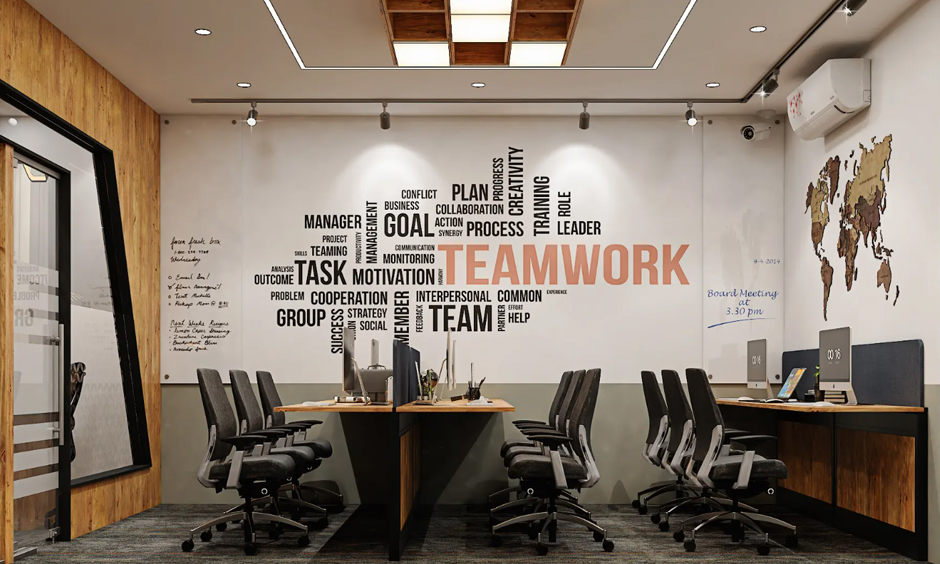
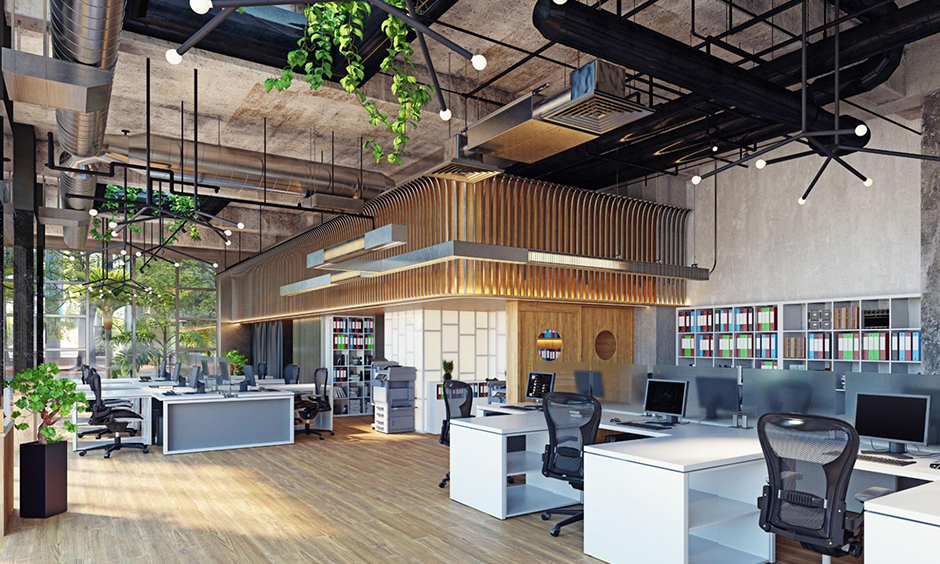
Office Interior Design: Creating Workspaces That Inspire Productivity, Culture, and Growth

Introduction

The modern workplace is evolving faster than ever. Offices are no longer just places where people come to work—they are environments that influence productivity, creativity, collaboration, and overall employee well-being.

In today’s competitive world, businesses are realizing that office interior design is not just about aesthetics. It is about creating a workspace that supports people, reflects company culture, and enhances performance.

A well-designed office can:

  • Improve efficiency
  • Boost employee morale
  • Strengthen brand identity
  • Create a lasting impression on clients

This blog explores how thoughtful office interior design can transform the way people work and experience their environment.

1. What is Office Interior Design?

Office interior design focuses on creating functional, efficient, and aesthetically pleasing workspaces tailored to the needs of a business.

It involves:

  • Space planning
  • Furniture selection
  • Lighting design
  • Material selection
  • Branding integration

👉 The goal is to design a workspace that works for both people and business operations.

2. Why Office Design Matters More Than Ever

With hybrid work models and evolving workplace dynamics, office design plays a critical role.

🔹 Boosts Productivity

A well-organized workspace reduces distractions and improves focus.

🔹 Enhances Employee Well-Being

Comfortable and well-lit environments reduce stress and fatigue.

🔹 Strengthens Company Culture

The design reflects company values and identity.

🔹 Creates a Professional Image

A well-designed office builds trust with clients and visitors.

👉 Office design directly impacts performance and perception.

3. Understanding Work Culture & Needs

Before designing an office, it’s important to understand how the organization functions.

Questions to Consider:

  • Do employees work individually or collaboratively?
  • Is the work creative or process-driven?
  • How often are meetings conducted?
  • Is remote work part of the culture?

👉 Design should align with how people actually work.

4. Space Planning: The Backbone of Office Design

Space planning determines how efficiently the office functions.

Key Zones:

  • Workstations
  • Meeting rooms
  • Breakout areas
  • Reception
  • Storage

Goals:

  • Smooth movement
  • Clear zoning
  • Maximum space utilization

👉 A well-planned layout improves workflow and efficiency.

5. Open vs Private Workspaces

Modern offices balance openness with privacy.

Open Layouts:

  • Encourage collaboration
  • Improve communication

Private Spaces:

  • Provide focus
  • Reduce noise distractions

👉 The best offices combine both.

6. Ergonomics: Designing for Comfort

Employee comfort is crucial.

Key Elements:

  • Ergonomic chairs
  • Adjustable desks
  • Proper desk height
  • Screen positioning

👉 Comfortable employees are more productive and healthier.

7. Lighting: Enhancing Productivity & Mood

Lighting plays a huge role in office design.

Types:

  • Natural light (best option)
  • Ambient lighting
  • Task lighting

Benefits:

  • Reduces eye strain
  • Improves mood
  • Enhances focus

👉 Good lighting improves both performance and well-being.

8. Color Psychology in Office Design

Colors influence emotions and behavior.

Examples:

  • Blue → Focus and calm
  • Green → Balance and relaxation
  • Yellow → Creativity and energy
  • Neutral tones → Professional and timeless

👉 Choose colors based on the type of work environment.

9. Furniture Selection: Function Meets Style

Office furniture should balance:

  • Comfort
  • Durability
  • Aesthetics

Key Pieces:

  • Workstations
  • Conference tables
  • Storage units

👉 Custom furniture ensures better space utilization.

10. Storage Solutions for a Clutter-Free Office

Clutter affects productivity.

Smart Solutions:

  • Built-in storage
  • Modular cabinets
  • Hidden storage

👉 A clean workspace leads to a clear mind.

11. Technology Integration

Modern offices require seamless technology.

Includes:

  • Smart meeting rooms
  • Cable management systems
  • Digital screens

👉 Technology should enhance, not disrupt, the workspace.

12. Branding Through Office Design

Your office should reflect your brand identity.

How:

  • Logo integration
  • Brand colors
  • Design language

👉 A strong brand presence builds trust and recognition.

13. Breakout & Relaxation Areas

Employees need spaces to relax and recharge.

Examples:

  • Lounge areas
  • Cafeteria spaces
  • Informal seating

👉 These spaces improve creativity and morale.

14. Acoustic Design: Managing Noise

Noise can reduce productivity.

Solutions:

  • Acoustic panels
  • Carpets
  • Partition systems

👉 A quieter office improves focus.

15. Biophilic Design: Bringing Nature Indoors

Nature improves well-being.

Ideas:

  • Indoor plants
  • Natural materials
  • Large windows

👉 Creates a healthier work environment.

16. Flexibility & Future-Ready Design

Offices should adapt to changing needs.

Trends:

  • Modular furniture
  • Flexible layouts
  • Multi-use spaces

👉 Future-ready offices save costs and time.

17. Sustainability in Office Design

Eco-friendly offices are becoming a priority.

Practices:

  • Energy-efficient lighting
  • Sustainable materials
  • Waste reduction

👉 Reflects responsible business values.

18. Common Mistakes to Avoid

  • Poor layout planning
  • Ignoring employee comfort
  • Overcrowding spaces
  • Poor lighting
  • Lack of storage

👉 Avoiding these ensures better results.

19. Role of Professional Designers

Professional designers bring:

  • Expertise
  • Planning
  • Execution skills

👉 They ensure a smooth and efficient process.

20. Final Thoughts

Office interior design is not just about creating a workspace—it’s about building an environment that supports people, enhances performance, and reflects the identity of a business.

🔥 Conclusion

A well-designed office is a powerful asset. It influences how people work, feel, and interact every day.

The right design:

  • Boosts productivity
  • Enhances employee satisfaction
  • Strengthens brand image

At Bourbon Interiors, the focus is on creating office spaces that are not only functional and refined but also designed to support growth, innovation, and success.

The Complete Process of Commercial Interior Design: From Concept to Completion

Introduction

Designing a commercial space is far more complex than arranging furniture or choosing colors. It is a structured process that involves planning, strategy, creativity, and precise execution. Every successful commercial space—whether it’s an office, retail outlet, or hospitality venue—is the result of a well-thought-out journey from concept to completion.

For business owners, understanding this process is crucial. It not only helps in making informed decisions but also ensures smoother execution, better cost management, and a final outcome that aligns perfectly with business goals.

In this blog, we break down the complete process of commercial interior design, giving you a clear understanding of how ideas evolve into fully functional, impactful spaces.

1. Understanding Client Requirements

Every project begins with one fundamental step—understanding the client.

Key Discussions:

  • Nature of the business
  • Target audience
  • Functional needs
  • Budget expectations
  • Timeline

This phase sets the foundation for the entire project.

👉 A clear understanding at the beginning prevents confusion later.

2. Site Analysis & Space Evaluation

Before design begins, the physical space must be carefully studied.

What is Evaluated:

  • Layout and dimensions
  • Natural light
  • Structural limitations
  • Existing utilities

This helps in identifying opportunities and constraints.

👉 Good design works with the space, not against it.

3. Concept Development

Once requirements are clear, the design concept is created.

Includes:

  • Design theme
  • Mood boards
  • Color palettes
  • Material direction

This stage defines the overall look and feel of the space.

👉 It’s where creativity meets strategy.

4. Space Planning & Layout Design

After finalizing the concept, the next step is planning how the space will function.

Focus Areas:

  • Zoning different areas
  • Movement flow
  • Efficient use of space

For example:

  • Office → workstations, meeting rooms, breakout zones
  • Retail → display zones, billing counters, circulation paths

👉 Layout directly impacts usability and experience.

5. 3D Visualization & Design Presentation

Clients often find it hard to visualize designs through drawings alone.

This is where 3D designs help:

  • Realistic previews
  • Better understanding of space
  • Easier decision-making

👉 It bridges the gap between imagination and reality.

6. Material Selection & Detailing

Materials define the durability and aesthetics of the space.

Selection Includes:

  • Flooring
  • Wall finishes
  • Furniture materials
  • Lighting fixtures

👉 The right materials ensure longevity and quality.

7. Budget Planning & Cost Estimation

A well-planned budget is essential for smooth execution.

Includes:

  • Material costs
  • Labor costs
  • Furniture and fixtures
  • Contingency planning

👉 Transparency in budgeting avoids surprises.

8. Execution Planning & Scheduling

Once design and budget are finalized, execution begins with proper planning.

Key Steps:

  • Timeline creation
  • Resource allocation
  • Work sequencing

👉 A structured plan ensures timely delivery.

9. Site Execution & Coordination

This is where the design comes to life.

Activities:

  • Civil work
  • Carpentry
  • Electrical and plumbing
  • Installation of materials

Proper coordination between teams is critical.

👉 Execution quality defines the final outcome.

10. Quality Control at Every Stage

Maintaining quality is essential throughout the project.

Checks Include:

  • Material quality
  • Workmanship
  • Finishing details

👉 Small details make a big difference.

11. Regular Client Updates

Keeping clients informed builds trust and transparency.

Includes:

  • Progress updates
  • Site visits
  • Approval stages

👉 Communication ensures alignment.

12. Furniture & Fixture Installation

Once core work is completed, furniture and fixtures are installed.

Includes:

  • Workstations
  • Display units
  • Lighting fixtures
  • Décor elements

👉 This stage defines the final look.

13. Final Styling & Finishing Touches

The last stage adds character to the space.

Includes:

  • Accessories
  • Branding elements
  • Decorative details

👉 This is where the space feels complete.

14. Final Inspection & Handover

Before handover, everything is checked thoroughly.

Focus:

  • Quality
  • Functionality
  • Safety

👉 Ensures the client receives a flawless space.

15. Post-Completion Support

A good design firm doesn’t stop at handover.

Support Includes:

  • Maintenance guidance
  • Minor adjustments
  • Future upgrades

👉 Long-term relationships matter.

16. Importance of a Structured Process

A clear process ensures:

  • Better efficiency
  • Reduced errors
  • Timely delivery
  • Cost control

👉 Structure brings consistency.

17. Common Challenges in Commercial Projects

  • Budget constraints
  • Time pressure
  • Coordination issues
  • Design changes

👉 A professional approach helps manage these effectively.

18. Role of Professional Interior Designers

Designers bring:

  • Expertise
  • Creativity
  • Execution skills

👉 They ensure everything runs smoothly.

19. Why Execution Matters More Than Ideas

Ideas are important—but execution is what creates results.

👉 A great concept without proper execution fails.

20. Final Thoughts

Commercial interior design is a journey that requires planning, precision, and creativity. When done right, it transforms a simple space into a powerful business tool.

🔥 Conclusion

From concept to completion, every step in commercial interior design plays a crucial role in shaping the final outcome.

A well-executed space:

  • Enhances business performance
  • Improves user experience
  • Reflects brand identity

At Bourbon Interiors, the focus is on delivering spaces that are thoughtfully designed, precisely executed, and built to last.

Commercial Interior Design: Creating Spaces That Drive Business, Experience, and Growth

Introduction

In today’s competitive business environment, the way a space looks and functions plays a crucial role in shaping customer perception, employee productivity, and overall brand identity. Commercial interior design is no longer just about aesthetics—it is about creating environments that support business goals, enhance user experience, and leave a lasting impression.

Whether it’s an office, retail store, showroom, restaurant, or hospitality space, design has the power to influence behavior, improve efficiency, and elevate the overall experience. A well-designed commercial space is not just seen—it is felt.

This blog explores the importance of commercial interior design, key elements involved, and how thoughtful design can transform a business environment into a powerful asset.

1. What is Commercial Interior Design?

Commercial interior design focuses on designing spaces used for business purposes. Unlike residential design, it prioritizes:

  • Functionality
  • Brand identity
  • User experience
  • Efficiency

These spaces include:

  • Offices
  • Retail stores
  • Showrooms
  • Restaurants and cafes
  • Hotels and hospitality spaces

👉 The goal is to create a space that not only looks professional but also supports the business operations effectively.

2. Why Commercial Interior Design Matters

Many businesses underestimate the impact of design. However, a well-designed space can directly influence success.

🔹 First Impressions Matter

Your space is often the first interaction customers have with your brand. A well-designed environment builds trust instantly.

🔹 Enhances Customer Experience

The layout, lighting, and ambiance affect how customers feel and interact within the space.

🔹 Improves Employee Productivity

A well-planned workspace can boost efficiency, comfort, and motivation.

🔹 Reflects Brand Identity

Design communicates your brand values without words.

👉 Good design is not an expense—it’s an investment.

3. Understanding the Purpose of the Space

Every commercial space has a different purpose, and design must align with it.

Examples:

  • A retail store should attract and engage customers
  • An office should promote productivity
  • A restaurant should create an inviting atmosphere

👉 Design decisions should always be driven by the function of the space.

4. Space Planning & Layout Optimization

Space planning is the backbone of commercial design.

Key Focus Areas:

  • Efficient movement flow
  • Optimal use of available space
  • Clear zoning for different functions

For example:

  • Offices need collaboration zones and private areas
  • Retail stores need smooth customer flow
  • Restaurants need balanced seating arrangements

👉 Poor layout can negatively impact both experience and efficiency.

5. Branding Through Design

Your space should visually communicate your brand.

How Design Reflects Branding:

  • Color schemes aligned with brand identity
  • Material selection reflecting brand personality
  • Consistent design language

👉 A strong brand presence creates recognition and trust.

6. Lighting: Creating the Right Ambience

Lighting is one of the most powerful tools in commercial design.

Types:

  • Ambient lighting for general visibility
  • Task lighting for specific functions
  • Accent lighting for highlighting elements

Impact:

  • Influences mood
  • Enhances product visibility
  • Improves productivity

👉 Good lighting can transform an average space into an exceptional one.

7. Furniture & Ergonomics

Furniture should not only look good but also function well.

Key Considerations:

  • Comfort
  • Durability
  • Space efficiency

For offices:

  • Ergonomic chairs
  • Functional desks

For retail:

  • Display-friendly fixtures

👉 Functional furniture improves both user experience and efficiency.

8. Material Selection & Durability

Commercial spaces experience heavy usage, so materials must be:

  • Durable
  • Easy to maintain
  • Cost-effective

Common Materials:

  • Laminates
  • Metal finishes
  • Glass
  • Engineered wood

👉 Quality materials ensure long-term value.

9. Technology Integration

Modern commercial spaces integrate technology seamlessly.

Examples:

  • Smart lighting
  • Digital displays
  • Automated systems

👉 Technology enhances both functionality and user experience.

10. Creating Customer-Centric Spaces

Customer experience is at the heart of commercial design.

Focus Areas:

  • Easy navigation
  • Comfortable environment
  • Engaging layout

👉 A positive experience increases customer retention.

11. Flexibility & Future Readiness

Business needs evolve, and spaces should adapt.

Design Approach:

  • Modular layouts
  • Flexible furniture
  • Scalable designs

👉 Future-ready spaces save time and cost.

12. Acoustics & Comfort

Often overlooked, acoustics play a vital role.

Importance:

  • Reduces noise distractions
  • Improves concentration
  • Enhances comfort

Especially important in:

  • Offices
  • Restaurants
  • Meeting rooms

13. Safety & Compliance

Commercial spaces must meet safety standards.

Includes:

  • Fire safety
  • Proper ventilation
  • Accessibility

👉 Safety is non-negotiable.

14. Sustainability in Commercial Design

Businesses are moving towards eco-friendly design.

Practices:

  • Energy-efficient lighting
  • Sustainable materials
  • Waste reduction

👉 Sustainable design reflects responsibility and modern values.

15. Cost vs Value in Design

Cutting costs in design often leads to:

  • Poor quality
  • Frequent repairs

👉 Investing in good design ensures long-term benefits.

16. Common Mistakes to Avoid

  • Ignoring functionality
  • Overdesigning
  • Poor lighting
  • Lack of planning
  • Compromising quality

17. The Role of Professional Designers

Professional designers bring:

  • Expertise
  • Planning skills
  • Execution capability

👉 They ensure your vision is executed properly.

18. The Importance of Execution

Design is only as good as its execution.

Focus:

  • Quality control
  • Timely delivery
  • Attention to detail

👉 Execution defines the final outcome.

19. Measuring Success of Design

A successful commercial space:

  • Attracts customers
  • Improves efficiency
  • Enhances brand image

20. Final Thoughts

Commercial interior design is not just about creating a visually appealing space—it is about building an environment that supports business growth and delivers a meaningful experience.

🔥 Conclusion

In today’s world, where competition is high and attention spans are short, your space can become your strongest advantage.

A well-designed commercial environment:

  • Communicates your brand
  • Enhances user experience
  • Drives business success

At Bourbon Interiors, the focus is on creating spaces that are not only functional and refined but also aligned with your business goals.

Top Interior Design Trends for Modern Homes in India (2026 Edition)

Introduction

Interior design in India is evolving rapidly. As lifestyles change and homeowners become more design-aware, the expectations from a modern home have gone far beyond aesthetics. Today, people are looking for spaces that are not only visually appealing but also functional, sustainable, and deeply personal.

The year 2026 is set to bring a shift towards thoughtful living—where design is driven by purpose, comfort, and individuality. From smart homes to sustainable materials, from minimalism to bold expressions, the trends shaping modern Indian homes reflect a balance between global influence and local sensibilities.

In this blog, we explore the top interior design trends for modern homes in India in 2026, helping you stay ahead while making choices that are both stylish and future-ready.

1. The Rise of Warm Minimalism

Minimalism is no longer about cold, empty spaces. In 2026, it evolves into warm minimalism—a perfect blend of simplicity and comfort.

Key Elements:

  • Neutral color palettes with warm undertones
  • Soft textures like linen, cotton, and wood
  • Clean lines with subtle detailing

This trend focuses on creating calm, clutter-free environments while still feeling inviting and lived-in.

👉 Ideal for urban homes where space and peace are both priorities.

2. Sustainable & Eco-Friendly Interiors

Sustainability is no longer optional—it’s a necessity.

Modern homeowners are becoming more conscious about:

  • Materials used
  • Energy consumption
  • Environmental impact

Popular Choices:

  • Reclaimed wood
  • Bamboo and cane furniture
  • Natural fabrics
  • Low-VOC paints

Sustainable design not only benefits the environment but also creates healthier living spaces.

3. Smart Homes & Integrated Technology

Technology is seamlessly becoming a part of interior design.

Smart Features Trending in 2026:

  • Automated lighting systems
  • Voice-controlled devices
  • Smart security systems
  • App-controlled appliances

The goal is to create homes that are:

  • Convenient
  • Efficient
  • Future-ready

👉 Technology is no longer an add-on—it’s integrated into design.

4. Multi-Functional Spaces

With remote work and hybrid lifestyles becoming the norm, homes need to do more.

Examples:

  • Living room + workspace
  • Bedroom + study area
  • Dining area + collaboration zone

Key Design Approach:

  • Flexible furniture
  • Smart partitions
  • Space-saving solutions

👉 Every square foot is designed to serve multiple purposes.

5. Earthy Tones & Natural Color Palettes

Colors in 2026 are inspired by nature.

Trending Shades:

  • Beige, taupe, terracotta
  • Olive green, muted browns
  • Soft whites and sand tones

These colors create:

  • Warmth
  • Calmness
  • Timeless appeal

👉 Perfect for creating a grounded, relaxing home environment.

6. Statement Lighting as a Design Element

Lighting is no longer just functional—it’s a design feature.

Trends:

  • Sculptural pendant lights
  • Layered lighting concepts
  • Warm ambient lighting

Lighting helps define:

  • Mood
  • Depth
  • Character of a space

👉 A well-lit home feels more premium instantly.

7. Custom Furniture & Bespoke Design

Mass-produced furniture is slowly being replaced by custom-made solutions.

Why Custom Furniture is Trending:

  • Perfect fit for your space
  • Unique design identity
  • Better functionality

From wardrobes to modular kitchens, customization ensures your home is truly one-of-a-kind.

8. Textures Over Patterns

Instead of bold prints, 2026 focuses on subtle textures.

Popular Textures:

  • Fluted panels
  • Matte finishes
  • Natural stone surfaces
  • Fabric layering

Textures add depth without overwhelming the space.

👉 It’s about quiet luxury, not loud design.

9. Open Layouts with Defined Zones

Open layouts continue to be popular, but with a twist—defined zoning.

How It’s Done:

  • Rugs to define areas
  • Lighting variations
  • Furniture placement
  • Partial partitions

This creates:

  • Openness
  • Yet functional separation

10. Indoor Plants & Biophilic Design

Nature is becoming an essential part of interiors.

Benefits:

  • Improves air quality
  • Enhances mood
  • Adds freshness

Design Ideas:

  • Indoor plants
  • Vertical gardens
  • Natural light maximization

👉 Homes are becoming more connected to nature.

11. Focus on Comfort & Livability

Luxury is no longer about expensive décor—it’s about comfort.

Priorities:

  • Ergonomic furniture
  • Soft furnishings
  • Relaxed layouts

A modern home should feel:

  • Comfortable
  • Practical
  • Easy to live in

12. Neutral Base with Bold Accents

Instead of fully bold interiors, the trend is:

  • Neutral base
  • Highlight accents

Examples:

  • Statement wall
  • Bold furniture piece
  • Accent lighting

👉 This keeps the space balanced yet visually interesting.

13. Seamless Storage Solutions

Clutter-free living is a major focus.

Trends:

  • Hidden storage
  • Built-in units
  • Minimal visible clutter

👉 Good design is often invisible.

14. Local Craft Meets Modern Design

There’s a growing appreciation for Indian craftsmanship.

Integration:

  • Handcrafted décor
  • Traditional materials
  • Local art

Blending tradition with modern design creates:

  • Unique identity
  • Cultural richness

15. Personalization Over Trends

The biggest trend of 2026 is being yourself.

Homeowners are moving away from:

  • Copying Pinterest designs

Towards:

  • Creating personalized spaces

👉 Your home should reflect you, not trends.

16. Spa-Like Bathrooms

Bathrooms are becoming more like personal retreats.

Features:

  • Warm lighting
  • Minimal design
  • Premium fittings

👉 A space to relax, not just function.

17. Minimal Décor, Maximum Impact

Less clutter, more impact.

Instead of many small items:

  • Few statement pieces
  • Clean surfaces

👉 Quality over quantity.

18. Focus on Quality Materials

People are investing more in:

  • Durable materials
  • Long-lasting finishes

👉 It’s better to invest once than replace frequently.

19. Balanced Use of Glass & Metal

Glass and metal add:

  • Modern touch
  • Visual lightness

Used in:

  • Partitions
  • Furniture
  • Accents

20. Future-Ready Design Thinking

Modern homes are designed keeping the future in mind:

  • Adaptability
  • Flexibility
  • Scalability

👉 Design that evolves with your life.

🔥 Final Thoughts

Interior design in 2026 is not about following trends blindly—it’s about making thoughtful choices that enhance your lifestyle.

The key is balance:

  • Aesthetics + Functionality
  • Modern + Personal
  • Style + Comfort

A well-designed home is not just beautiful—it works for you, adapts to you, and grows with you.

🎯 Conclusion

The future of residential interior design in India is exciting, dynamic, and deeply personal. As trends evolve, the focus remains clear—creating spaces that are meaningful, comfortable, and built to last.

At the end of the day, trends may guide you, but your home should always reflect your story.

The Complete Guide to Residential Interior Design: Creating a Home That Truly Reflects You

Introduction

A home is more than just walls, furniture, and décor—it’s a reflection of who you are, how you live, and what you value. Residential interior design is not simply about making a space look beautiful; it’s about creating an environment that feels right, functions seamlessly, and enhances your everyday life.

In today’s fast-evolving world, where lifestyles are dynamic and personal expression matters more than ever, interior design plays a crucial role in shaping how we experience our homes. Whether you live in a compact apartment or a spacious villa, the right design can transform your space into something truly meaningful.

This guide explores everything you need to know about residential interior design—from understanding its importance to practical insights that help you make better design decisions.

1. What is Residential Interior Design?

Residential interior design focuses on designing living spaces such as homes, apartments, and villas. It involves planning layouts, selecting materials, choosing furniture, and creating an overall aesthetic that aligns with the homeowner’s lifestyle.

But beyond that, it is about:

  • Comfort
  • Functionality
  • Personalization
  • Long-term usability

A well-designed home should not just impress visitors—it should improve the way you live every single day.

2. Why Interior Design Matters More Than You Think

Many people assume interior design is a luxury. In reality, it’s a necessity—especially when done right.

🔹 Improves Functionality

A good design ensures that every corner of your home serves a purpose. Smart layouts reduce clutter and improve movement.

🔹 Enhances Comfort

From lighting to furniture placement, design directly affects how comfortable your home feels.

🔹 Reflects Personality

Your home should feel like you. Design helps translate your personality into a physical space.

🔹 Increases Property Value

Well-designed homes have higher market appeal and resale value.

3. Understanding Your Lifestyle First

Before choosing colors or furniture, the most important step is understanding how you live.

Ask yourself:

  • Do you work from home?
  • Do you entertain guests often?
  • Do you need more storage?
  • Do you prefer minimal or detailed spaces?

A family with children will have very different needs compared to a bachelor or a working couple.

👉 Good design starts with lifestyle, not trends.

4. Space Planning: The Foundation of Good Design

Space planning is one of the most important aspects of interior design. It determines how efficiently your space is used.

Key Principles:

  • Avoid overcrowding
  • Ensure smooth movement
  • Define functional zones
  • Maximize natural light

For example:

  • A living room should feel open and inviting
  • A kitchen should be efficient and easy to use
  • A bedroom should feel calm and relaxing

Poor space planning can ruin even the most expensive interiors.

5. Choosing the Right Design Style

Your design style sets the tone for your entire home. Some popular styles include:

🔹 Modern

Clean lines, minimal décor, neutral tones

🔹 Contemporary

Dynamic, trend-driven, sleek finishes

🔹 Traditional

Rich textures, detailed craftsmanship

🔹 Minimalist

Simple, clutter-free, functional

🔹 Luxury

High-end materials, refined detailing

👉 The key is not to copy a style—but to adapt it to your personality.

6. The Role of Colors in Interior Design

Colors have a powerful impact on mood and perception.

Light Colors

  • Make spaces look bigger
  • Create a calm environment

Dark Colors

  • Add depth and richness
  • Create a bold statement

Neutral Palette

  • Timeless and versatile
  • Easy to style and maintain

👉 A balanced color palette creates harmony across your home.

7. Furniture: More Than Just Utility

Furniture is not just about filling space—it defines how the space is used.

Key Considerations:

  • Comfort
  • Proportion
  • Material
  • Functionality

Custom furniture is often a better choice because it:

  • Fits perfectly
  • Matches your design
  • Maximizes space

8. Lighting: The Most Underrated Element

Lighting can completely change how a space looks and feels.

Types of Lighting:

  • Ambient (overall lighting)
  • Task (focused lighting)
  • Accent (highlighting elements)

A well-lit home feels:

  • More spacious
  • More welcoming
  • More refined

9. Storage: The Hidden Hero of Design

A clutter-free home is a well-designed home.

Smart Storage Solutions:

  • Built-in wardrobes
  • Hidden cabinets
  • Multi-functional furniture

👉 Good storage is invisible but essential.

10. Materials & Finishes: Where Quality Matters

The materials you choose determine:

  • Durability
  • Maintenance
  • Overall look

Common materials include:

  • Wood
  • Stone
  • Glass
  • Metal

👉 Investing in quality materials ensures your home looks good for years.

11. Personalization: Making the Space Yours

A home should feel personal, not generic.

Ways to personalize:

  • Artwork
  • Family elements
  • Custom décor
  • Unique textures

👉 The best spaces are the ones that tell your story.

12. Common Mistakes to Avoid

  • Overcrowding spaces
  • Ignoring lighting
  • Following trends blindly
  • Poor space planning
  • Compromising on quality

Avoiding these mistakes can save both money and regret.

13. The Importance of Professional Interior Designers

Working with a professional ensures:

  • Better planning
  • Efficient execution
  • Cost control
  • High-quality results

They bring:

  • Experience
  • Creativity
  • Technical knowledge

👉 A good designer doesn’t just design—they solve problems.

14. Trends vs Timeless Design

Trends change. Good design doesn’t.

Trend Example:

  • Bold colors
  • Statement décor

Timeless Design:

  • Neutral tones
  • Clean layouts
  • Functional spaces

👉 Balance both for a future-proof home.

15. Final Thoughts

Residential interior design is not about making your home look expensive—it’s about making it feel right.

A well-designed home:

  • Supports your lifestyle
  • Reflects your personality
  • Improves your daily experience

At the end of the day, your home should be a place where you feel comfortable, inspired, and truly at ease.

Conclusion

Design is not just what you see—it’s what you experience.

When done right, residential interior design transforms a house into a home that feels complete in every sense.

Back to Top

Search For Products

Product has been added to your cart
Compare (0)