
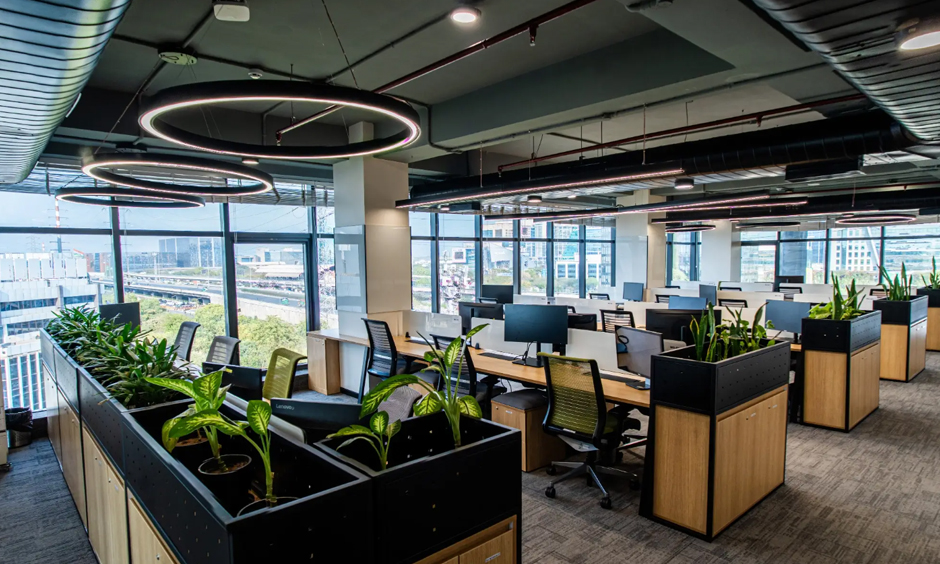
Premium Interior Designers in Guwahati, Assam

Modern Office Design Trends: How to Build a Workspace That Attracts Talent and Drives Performance

Introduction

The workplace is no longer just a functional environment—it has become a strategic tool for businesses. In today’s competitive landscape, companies are not only competing for clients but also for talent. One of the most underrated yet powerful ways to attract and retain top talent is through office interior design.

Modern employees seek more than just a desk and a chair. They look for environments that inspire creativity, support well-being, and align with their work style. As a result, office design trends are shifting towards flexibility, comfort, and experience-driven spaces.

This blog explores the latest office interior design trends that are shaping modern workplaces and how businesses can use them to create impactful, future-ready environments.

1. The Shift from Traditional to Experience-Driven Offices

Traditional offices were rigid and uniform. Modern offices are dynamic and people-centric.

Then:

  • Fixed cubicles
  • Limited collaboration
  • Formal layouts

Now:

  • Open layouts
  • Flexible spaces
  • Informal collaboration zones

👉 The focus has shifted from control to experience.

2. Hybrid Workspaces: Designing for Flexibility

With hybrid work becoming the norm, offices must adapt.

Key Features:

  • Hot-desking
  • Flexible seating
  • Multi-purpose rooms

Employees no longer need permanent desks. Instead, spaces are designed to support different activities.

👉 Flexibility is the future of office design.

3. Collaborative Zones Over Cubicles

Collaboration is a key driver of innovation.

Modern Design Includes:

  • Open meeting areas
  • Informal seating zones
  • Brainstorming spaces

These areas encourage:

  • Interaction
  • Creativity
  • Team bonding

👉 Offices are becoming more social and interactive.

4. Focus Areas for Deep Work

While collaboration is important, employees also need quiet spaces.

Solutions:

  • Phone booths
  • Private cabins
  • Acoustic pods

👉 Balance is key—spaces for both collaboration and focus.

5. Biophilic Design: Bringing Nature Indoors

Nature has a powerful impact on productivity and well-being.

Popular Elements:

  • Indoor plants
  • Natural lighting
  • Wooden textures

Benefits:

  • Reduces stress
  • Improves mood
  • Enhances creativity

👉 A greener office is a healthier office.

6. Employee Well-Being as a Priority

Modern office design puts people first.

Focus Areas:

  • Comfortable seating
  • Proper lighting
  • Breakout zones

Some offices even include:

  • Wellness rooms
  • Relaxation areas

👉 Happy employees perform better.

7. Minimalism with Warmth

Minimalism is evolving.

Old Minimalism:

  • Cold, empty spaces

New Minimalism:

  • Clean layouts
  • Warm tones
  • Comfortable textures

👉 Simplicity with comfort is the new standard.

8. Smart Offices & Technology Integration

Technology is transforming workspaces.

Trends:

  • Smart lighting systems
  • Automated meeting rooms
  • Digital collaboration tools

👉 Technology improves efficiency and convenience.

9. Branding Through Office Interiors

Your office is an extension of your brand.

How to Reflect Branding:

  • Brand colors
  • Logo integration
  • Design elements aligned with brand identity

👉 A strong visual identity builds trust.

10. Multi-Functional Furniture

Furniture is becoming more flexible.

Examples:

  • Foldable desks
  • Modular seating
  • Convertible meeting tables

👉 Adaptability is key.

11. Statement Reception Areas

First impressions matter.

Modern Reception Design:

  • Clean and welcoming
  • Strong branding
  • Comfortable seating

👉 Sets the tone for the entire office.

12. Acoustic Solutions for Better Productivity

Noise is one of the biggest distractions.

Solutions:

  • Acoustic panels
  • Sound-absorbing materials
  • Partition systems

👉 A quieter office improves focus.

13. Breakout Spaces & Informal Areas

Employees need space to relax and recharge.

Includes:

  • Lounge areas
  • Cafeterias
  • Casual seating zones

👉 These spaces encourage creativity and reduce burnout.

14. Sustainable Office Design

Eco-conscious design is gaining importance.

Practices:

  • Energy-efficient lighting
  • Recycled materials
  • Sustainable furniture

👉 Reflects modern values and responsibility.

15. Personalized Workspaces

Employees value personalization.

Trends:

  • Flexible desks
  • Customizable workstations

👉 Personal touch improves engagement.

16. Lighting as a Design Feature

Lighting defines mood and functionality.

Trends:

  • Layered lighting
  • Warm ambient lights
  • Statement fixtures

👉 Good lighting enhances the entire space.

17. Open Layouts with Defined Zones

Open offices remain popular but with better structure.

How:

  • Zoning through furniture
  • Lighting variations
  • Partial partitions

👉 Combines openness with functionality.

18. Focus on Quality Materials

Durability is essential in office spaces.

Popular Choices:

  • Engineered wood
  • Laminates
  • Metal finishes

👉 Quality ensures long-term value.

19. Future-Ready Design Thinking

Offices are designed for long-term adaptability.

Key Features:

  • Scalable layouts
  • Flexible infrastructure

👉 Design that evolves with business needs.

20. Final Thoughts

Office interior design is no longer just about creating a workspace—it’s about building an environment that supports people, enhances productivity, and reflects business values.

🔥 Conclusion

Modern office design is a powerful tool for business success. It influences how employees work, how clients perceive your brand, and how your business grows.

A well-designed office:

  • Attracts talent
  • Improves productivity
  • Strengthens brand identity

At Bourbon Interiors, the focus is on creating office spaces that are thoughtfully designed, efficiently executed, and aligned with your business goals.
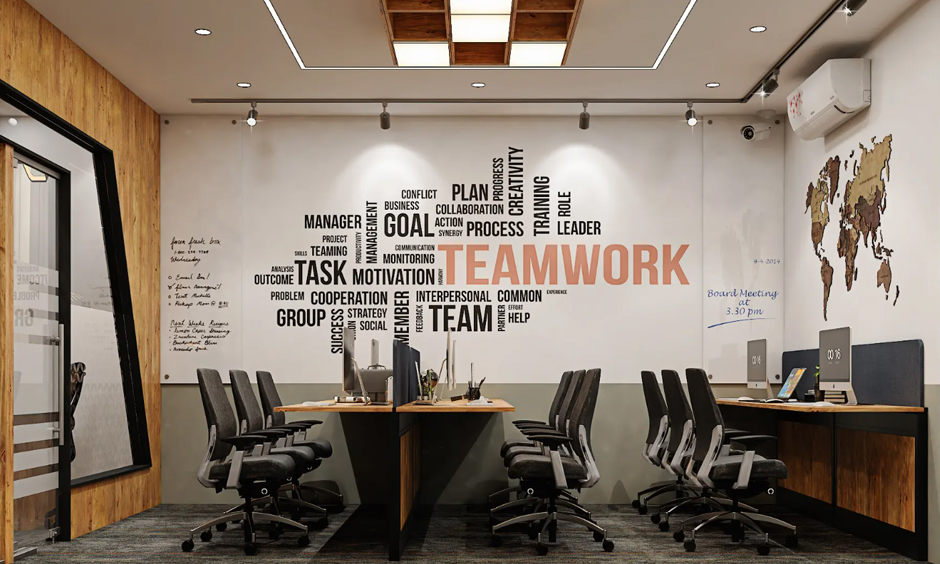
Office Interior Design: Creating Workspaces That Inspire Productivity, Culture, and Growth

Introduction

The modern workplace is evolving faster than ever. Offices are no longer just places where people come to work—they are environments that influence productivity, creativity, collaboration, and overall employee well-being.

In today’s competitive world, businesses are realizing that office interior design is not just about aesthetics. It is about creating a workspace that supports people, reflects company culture, and enhances performance.

A well-designed office can:

  • Improve efficiency
  • Boost employee morale
  • Strengthen brand identity
  • Create a lasting impression on clients

This blog explores how thoughtful office interior design can transform the way people work and experience their environment.

1. What is Office Interior Design?

Office interior design focuses on creating functional, efficient, and aesthetically pleasing workspaces tailored to the needs of a business.

It involves:

  • Space planning
  • Furniture selection
  • Lighting design
  • Material selection
  • Branding integration

👉 The goal is to design a workspace that works for both people and business operations.

2. Why Office Design Matters More Than Ever

With hybrid work models and evolving workplace dynamics, office design plays a critical role.

🔹 Boosts Productivity

A well-organized workspace reduces distractions and improves focus.

🔹 Enhances Employee Well-Being

Comfortable and well-lit environments reduce stress and fatigue.

🔹 Strengthens Company Culture

The design reflects company values and identity.

🔹 Creates a Professional Image

A well-designed office builds trust with clients and visitors.

👉 Office design directly impacts performance and perception.

3. Understanding Work Culture & Needs

Before designing an office, it’s important to understand how the organization functions.

Questions to Consider:

  • Do employees work individually or collaboratively?
  • Is the work creative or process-driven?
  • How often are meetings conducted?
  • Is remote work part of the culture?

👉 Design should align with how people actually work.

4. Space Planning: The Backbone of Office Design

Space planning determines how efficiently the office functions.

Key Zones:

  • Workstations
  • Meeting rooms
  • Breakout areas
  • Reception
  • Storage

Goals:

  • Smooth movement
  • Clear zoning
  • Maximum space utilization

👉 A well-planned layout improves workflow and efficiency.

5. Open vs Private Workspaces

Modern offices balance openness with privacy.

Open Layouts:

  • Encourage collaboration
  • Improve communication

Private Spaces:

  • Provide focus
  • Reduce noise distractions

👉 The best offices combine both.

6. Ergonomics: Designing for Comfort

Employee comfort is crucial.

Key Elements:

  • Ergonomic chairs
  • Adjustable desks
  • Proper desk height
  • Screen positioning

👉 Comfortable employees are more productive and healthier.

7. Lighting: Enhancing Productivity & Mood

Lighting plays a huge role in office design.

Types:

  • Natural light (best option)
  • Ambient lighting
  • Task lighting

Benefits:

  • Reduces eye strain
  • Improves mood
  • Enhances focus

👉 Good lighting improves both performance and well-being.

8. Color Psychology in Office Design

Colors influence emotions and behavior.

Examples:

  • Blue → Focus and calm
  • Green → Balance and relaxation
  • Yellow → Creativity and energy
  • Neutral tones → Professional and timeless

👉 Choose colors based on the type of work environment.

9. Furniture Selection: Function Meets Style

Office furniture should balance:

  • Comfort
  • Durability
  • Aesthetics

Key Pieces:

  • Workstations
  • Conference tables
  • Storage units

👉 Custom furniture ensures better space utilization.

10. Storage Solutions for a Clutter-Free Office

Clutter affects productivity.

Smart Solutions:

  • Built-in storage
  • Modular cabinets
  • Hidden storage

👉 A clean workspace leads to a clear mind.

11. Technology Integration

Modern offices require seamless technology.

Includes:

  • Smart meeting rooms
  • Cable management systems
  • Digital screens

👉 Technology should enhance, not disrupt, the workspace.

12. Branding Through Office Design

Your office should reflect your brand identity.

How:

  • Logo integration
  • Brand colors
  • Design language

👉 A strong brand presence builds trust and recognition.

13. Breakout & Relaxation Areas

Employees need spaces to relax and recharge.

Examples:

  • Lounge areas
  • Cafeteria spaces
  • Informal seating

👉 These spaces improve creativity and morale.

14. Acoustic Design: Managing Noise

Noise can reduce productivity.

Solutions:

  • Acoustic panels
  • Carpets
  • Partition systems

👉 A quieter office improves focus.

15. Biophilic Design: Bringing Nature Indoors

Nature improves well-being.

Ideas:

  • Indoor plants
  • Natural materials
  • Large windows

👉 Creates a healthier work environment.

16. Flexibility & Future-Ready Design

Offices should adapt to changing needs.

Trends:

  • Modular furniture
  • Flexible layouts
  • Multi-use spaces

👉 Future-ready offices save costs and time.

17. Sustainability in Office Design

Eco-friendly offices are becoming a priority.

Practices:

  • Energy-efficient lighting
  • Sustainable materials
  • Waste reduction

👉 Reflects responsible business values.

18. Common Mistakes to Avoid

  • Poor layout planning
  • Ignoring employee comfort
  • Overcrowding spaces
  • Poor lighting
  • Lack of storage

👉 Avoiding these ensures better results.

19. Role of Professional Designers

Professional designers bring:

  • Expertise
  • Planning
  • Execution skills

👉 They ensure a smooth and efficient process.

20. Final Thoughts

Office interior design is not just about creating a workspace—it’s about building an environment that supports people, enhances performance, and reflects the identity of a business.

🔥 Conclusion

A well-designed office is a powerful asset. It influences how people work, feel, and interact every day.

The right design:

  • Boosts productivity
  • Enhances employee satisfaction
  • Strengthens brand image

At Bourbon Interiors, the focus is on creating office spaces that are not only functional and refined but also designed to support growth, innovation, and success.

Back to Top

Search For Products

Product has been added to your cart
Compare (0)